
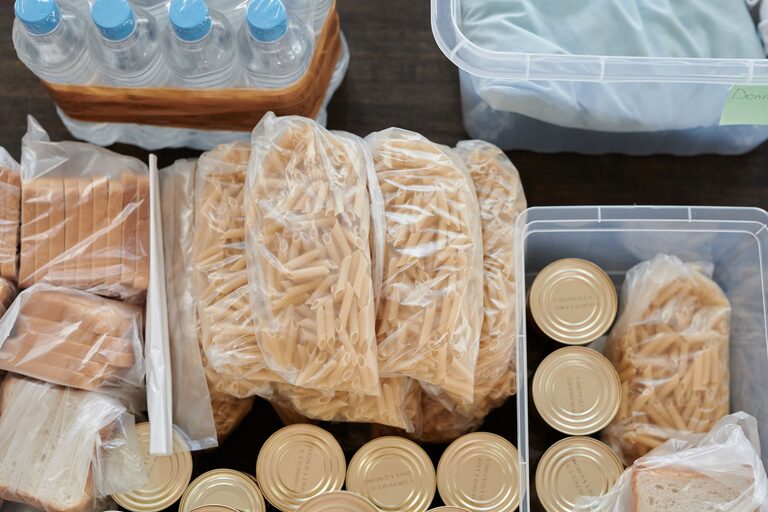
Planning meals from pantry staples is a smart way to save time, reduce food waste, and keep your grocery budget in check. Whether you’re trying to whip up dinner last-minute or want to build a more organized kitchen, knowing how to make the most of what you already have is a valuable skill.
In this post, we’ll guide you through practical steps to plan tasty, nutritious meals using common pantry ingredients. With a little creativity and planning, you’ll find your pantry turning into a treasure trove of meal options.
Why Plan Meals Using Pantry Staples?
Before diving into the “how,” it’s helpful to understand the benefits of using pantry staples in your meal planning:
– Convenience: Having a stocked pantry means you can prepare meals anytime without needing a last-minute grocery trip.
– Budget-friendly: Pantry staples are often affordable and buying in bulk saves money.
– Reduced waste: Using what you have helps minimize food spoilage and waste.
– Variety: Staples like grains, beans, and canned goods can be combined in countless ways to create a wide range of dishes.
Step 1: Take Inventory of Your Pantry
Start by knowing exactly what you have. Take some time to look through your pantry and list your staples. Common pantry staples include:
– Grains: rice, pasta, quinoa, oats
– Canned goods: beans, tomatoes, tuna, coconut milk
– Baking essentials: flour, sugar, baking powder, cooking oils
– Spices and herbs: salt, pepper, garlic powder, dried basil, chili flakes
– Nuts, seeds, and dried fruits
– Condiments: soy sauce, vinegar, mustard, hot sauce
Having a clear picture of available ingredients helps you plan meals efficiently.
Step 2: Understand Basic Flavor Combinations
Knowing which pantry staples go well together simplifies meal planning. Here are some classic flavor pairings:
– Rice + beans + canned tomatoes = hearty stew or chili
– Pasta + canned tomatoes + garlic + herbs = simple pasta sauce
– Oats + nuts + dried fruit = breakfast or snack
– Canned tuna + mayo + mustard = easy tuna salad
– Lentils + spices + coconut milk = flavorful curry
Recognizing these combinations will spark meal ideas based on what you have.
Step 3: Build a Flexible Meal Plan
Use your pantry inventory and flavor knowledge to create a weekly meal plan. Here’s how:
Pick a Base Ingredient
Start with a main pantry staple, like rice or pasta, as the base for your meal.
Add Protein
Choose protein sources such as canned beans, lentils, or canned tuna.
Include Flavor Enhancers
Add canned tomatoes, spices, and herbs to elevate the dish.
Incorporate Fresh or Frozen Produce
If available, supplement pantry meals with frozen or fresh vegetables for added nutrition and texture.
Example Meal Plan:
| Day | Meal Idea |
|———–|————————————————|
| Monday | Lentil and coconut milk curry with rice |
| Tuesday | Pasta with tomato sauce and dried herbs |
| Wednesday | Bean chili with canned tomatoes and spices |
| Thursday | Tuna salad sandwiches using canned tuna |
| Friday | Oatmeal with nuts and dried fruit for dinner |
Step 4: Stock Up on Versatile Pantry Staples
Keep your pantry stocked with versatile items that work across multiple recipes:
– Canned beans (black beans, chickpeas, kidney beans)
– Canned tomatoes (diced, crushed, or sauce)
– Pasta and rice (variety of shapes and types)
– Cooking oils (olive, vegetable, coconut)
– Flour and baking essentials
– A variety of dried herbs and spices
– Nut butters and canned fish
Regularly replenish these staples to maintain your meal planning flexibility.
Step 5: Use Meal Prep and Batch Cooking Tips
Preparing meals in advance saves time and reduces stress during busy days.
– Batch cook grains like rice or quinoa and store in the fridge.
– Prepare sauces and stews in large portions to use throughout the week.
– Portion dry ingredients into labeled containers for quick meal assembly.
Step 6: Keep It Simple and Adaptable
Don’t feel pressured to create complicated meals. Some of the best pantry meals are simple, balanced, and satisfying.
– Use one-pot recipes.
– Mix and match ingredients based on what’s available.
– Experiment with spices to change flavors.
– Add fresh herbs or a squeeze of lemon juice to elevate the taste.
Bonus: Pantry-Friendly Recipe Ideas
1. Chickpea Tomato Stew
– 1 can chickpeas (drained and rinsed)
– 1 can diced tomatoes
– 1 tsp garlic powder
– 1 tsp paprika
– Salt and pepper to taste
– 1 tbsp olive oil
Heat olive oil in a pot, add spices, then chickpeas and tomatoes. Simmer for 15 minutes and serve over rice or with bread.
2. Tuna Pasta Salad
– Cooked pasta
– 1 can tuna, drained
– 2 tbsp mayo or olive oil
– 1 tsp mustard
– Dried herbs (basil, oregano)
– Salt and pepper
Mix all ingredients together and refrigerate for a quick meal.
3. Oatmeal with Nuts and Dried Fruit
– 1 cup oats
– 2 cups water or milk
– Handful of nuts and dried fruit
– A drizzle of honey or maple syrup
Cook oats, top with nuts and dried fruit for a wholesome breakfast or snack.
Final Thoughts
Planning meals from pantry staples is a practical approach to home cooking that saves time and money. By keeping your pantry organized, understanding flavor combinations, and preparing flexible meals, you can enjoy a variety of delicious dishes with minimal effort. Start with what you have, and watch your pantry become a trusted culinary resource!
About the Author